The current benefit approach needs a deliberate review.
You want to separate employee needs, employer constraints, and implementation questions.
Employer insurance, benefits, and business-cost strategy
Led by Matt Ragudo
Raku helps employers, owners, and individuals define what needs to be decided, compare the right paths, and know who is accountable for every next step.
Product, program, pricing, and availability questions are handled only after the facts and responsible parties are clear.
When Raku is useful
Insurance choices rarely sit alone. Budget, people, operations, timing, existing advisors, and plan rules can all shape the next move.
You want to separate employee needs, employer constraints, and implementation questions.
You need to understand which coverage decisions are connected and which require separate expertise.
You want a structured Quality of Spend conversation without a promised result.
Five decision lanes
Each lane begins with fit and scope. Availability, eligibility, price, and final terms are never assumed.
Renewals, contribution choices, employee needs, and the structure around a benefits decision.
Explore this lane 02Coverage priorities, gaps to discuss, and questions that belong with an insurer or plan document.
Explore this lane 03Education and decision preparation when Medicare intersects with work, family, or existing coverage.
Explore this lane 04A clearer inventory of business exposures, policy questions, and professional handoffs.
Explore this lane 05A structured look at whether business-cost decisions are understood, owned, and supported by evidence.
Explore this laneA four-step advisory rhythm
The process may stop after any step if the question is outside Raku's scope or another professional should lead.
Describe what changed, what is at stake, and what a useful outcome would mean.
Identify the people, documents, current arrangements, timing, and unanswered questions.
Separate education, advisory work, product questions, and partner-owned implementation.
Confirm what Matt will do, what you will do, and what belongs to a third party.
Visible accountability
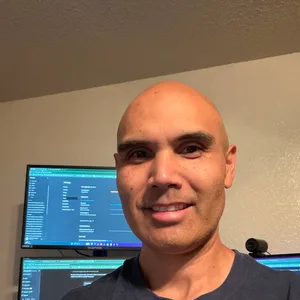
Matt leads the Raku conversation, helps define the scope, and stays responsible for follow-through. If another person or organization owns a service, decision, or implementation step, that boundary is named before coordination begins.
Why Raku is structured this wayDirect work and coordinated work
Raku names the difference between Matt's work and work delivered by a partner, carrier, administrator, legal professional, tax professional, medical professional, or other specialist.
Matt owns
Outside-party responsibilities
Evidence-based resources
Raku guides are held in draft until official sources, decision boundaries, and disclosures have been reviewed.
Before you call
No. Raku is an advisory relationship led by Matt Ragudo. Any policy, plan, program, or professional service remains subject to the terms and decisions of the party that provides it.
No. Matt can identify when one of those disciplines affects the decision and coordinate with an outside professional when agreed. That professional owns the advice and work they provide.
No. Cost, eligibility, underwriting, coverage, availability, and outcomes depend on the facts, governing documents, jurisdiction, and responsible provider.
No. Site content is general education. An individualized review begins only after Matt confirms the question, applicable scope, and information needed.
A clear next conversation
Matt will help define the question, the boundary of the work, and who owns each next step.